An Art Corner on a Zero Budget: All You Need Is a Printer
Every so often someone writes to us wanting to set up an art corner in their classroom or living room, and the story almost always opens the same way: with guilt about not having bought anything. No catalog furniture, no Scandinavian craft table, no thirty-compartment organizer. Good news: you don't need any of it. A working art corner takes three things — a fixed spot, something to color, and fresh material every week. The first two you can solve today. The third is the only one that needs a system, and that's what this article is about.
The furniture is the least of it (a shoebox will do)
There's the Pinterest fantasy: light wood shelving, pencil cups sorted by color, a string of fairy lights. And then there's reality: the busiest art corners we know of are a shoebox covered in wrapping paper, a peach can full of crayons, and whichever chair happened to be free. Kids don't see the furniture. They see what there is to do.
The only thing about the "where" that actually matters: it has to be permanent and it has to be visible. A corner that gets set up and packed away isn't a corner, it's a chore. Pick a nook, the end of a table, the bottom shelf of the bookcase — anywhere the pages and crayons can live full-time without asking anyone's permission.
The real budget line is paper and ink. We'll get to that in a minute, because there are tricks to make it cost pennies.
Rotation, or why art corners die
Here's the part we'd want you to keep even if you read nothing else: art corners don't die from lack of space or supplies. They die when there's always the same stuff in them. By week three of the same three coloring pages, kids walk right past — and honestly, fair enough. We'd stop going to a movie theater that only ever shows one film.
The system that keeps a corner alive is almost embarrassingly simple: eight to ten new pages a week, in themed batches. This week, ocean animals. Next week, dinosaurs. Then vehicles, then castles. A new theme renews interest all by itself: no announcement, no persuading. They wander over, discover there are sharks where the dinosaurs used to be, and sit down.
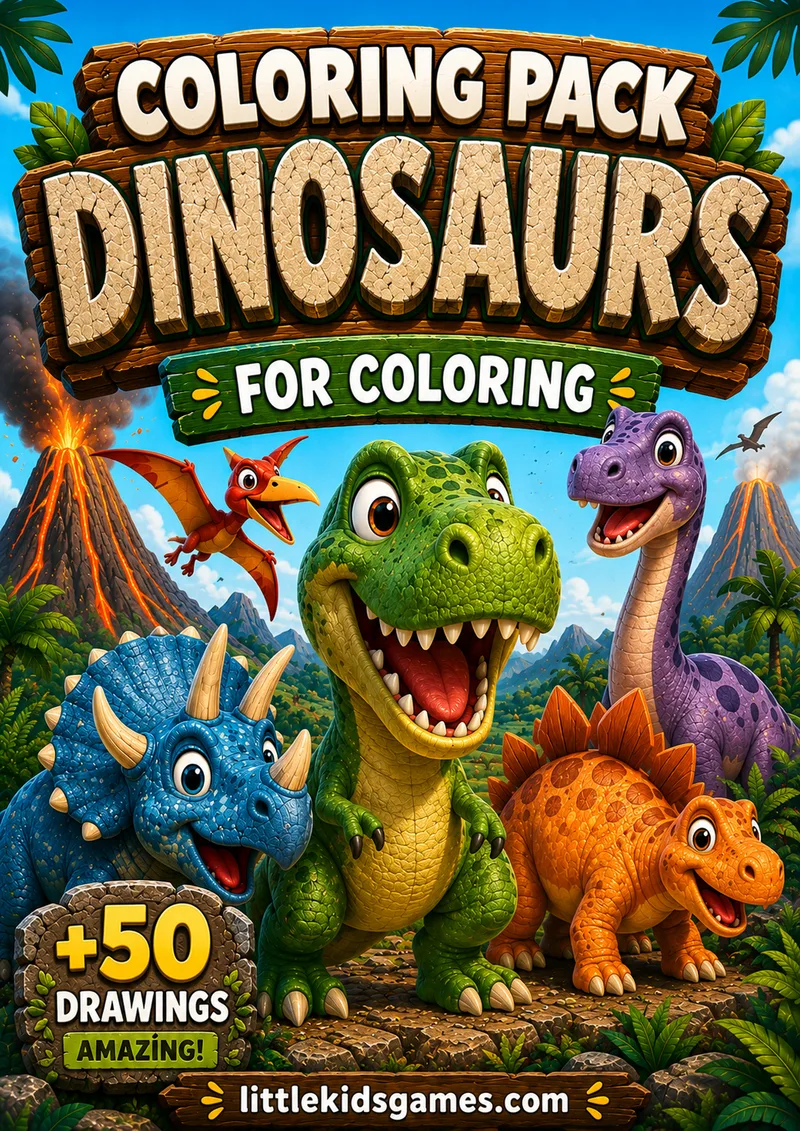
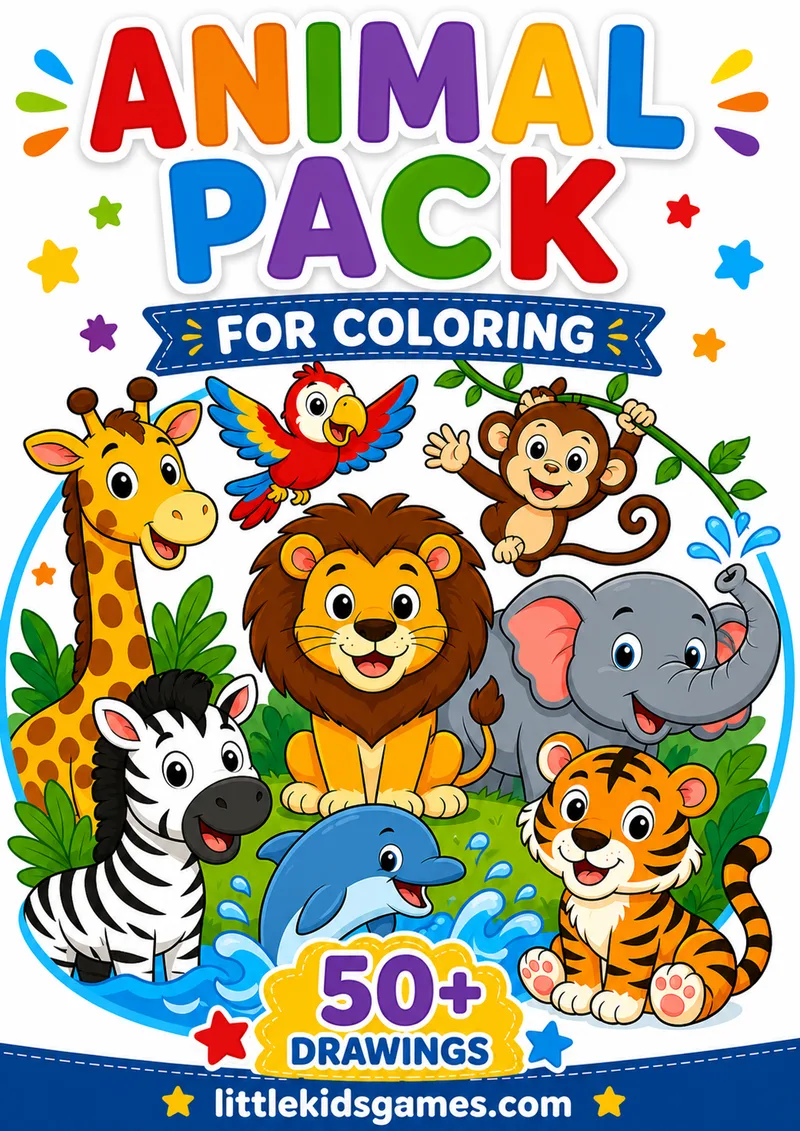
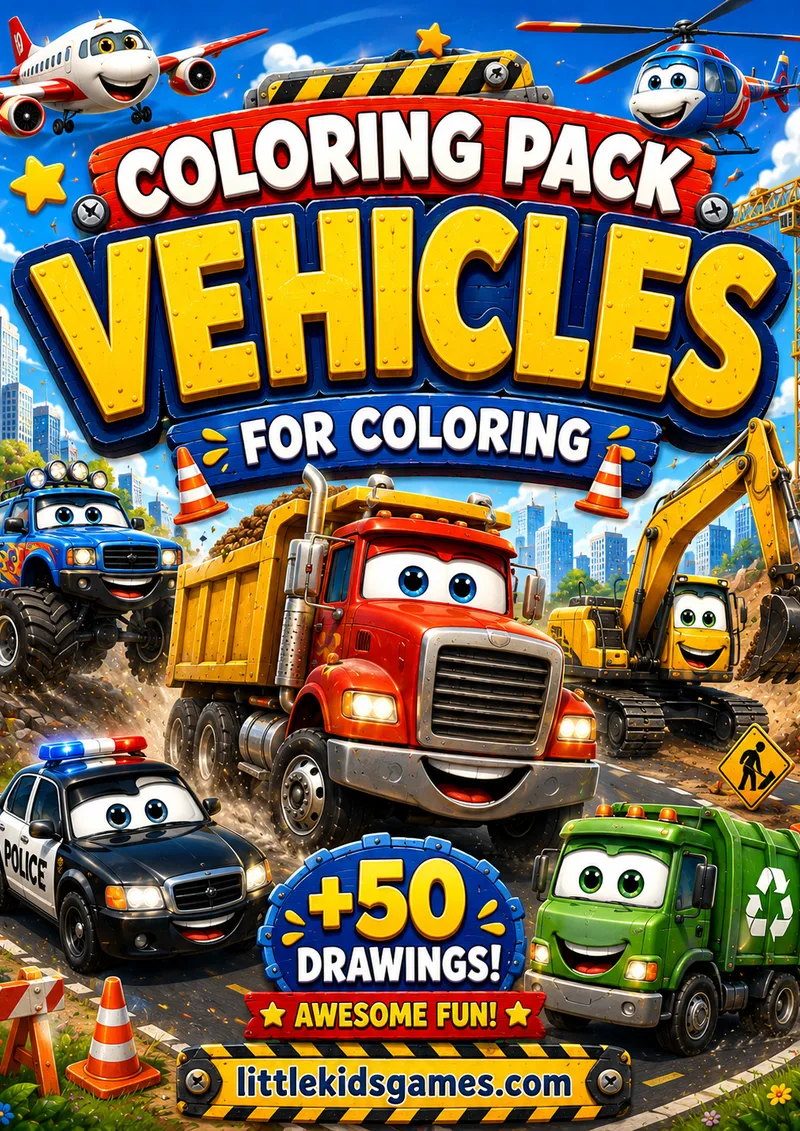
Our printable coloring pages are organized exactly for this — hundreds of free drawings sorted by theme, A4-ready, no sign-up. Ten minutes on a Sunday night, pick the week's batch, done. And if you'd rather grab a whole collection at once, there are downloadable packs with an entire theme in a single PDF.
Printing on the cheap: draft mode is your friend
The classic objection: "ink costs a fortune." True — if you print at normal quality. For coloring pages you don't need to: set the printer to draft or economy mode (every printer has one, buried in some properties menu) and you're done. The lines come out a touch lighter, and a drawing that's about to be attacked with crayons could not care less. No one in history has looked at a finished coloring page and said "shame about the ink density on those outlines."
And the teacher trick we love most, courtesy of a pre-K teacher: laminate three or four pages (a laminator if you have one, wide packing tape if you don't — no shame) and leave them in the corner with dry-erase markers. Color, wipe with a cloth, color again. Infinite pages for the price of one — perfect for the kids who finish everything in two minutes and come back asking for more.
The portfolio folder: the end-of-year gift that costs nothing
What to do with finished drawings is the forgotten half of the art corner. The easy option is letting them travel home crumpled at the bottom of a backpack and die on the fridge door two weeks later (or go straight in the bin — let's not pretend). The good option costs exactly the same: one folder per child, name on the front, where everything they finish gets filed.
And here's the thing you don't see coming until you see it: by the end of the year, that folder is a document. The September drawing with scribbles escaping in every direction and the June one with the sun colored inside the lines are the same kid, and the distance between them gets to every family. We know teachers who hand the folder over at the last parent meeting as the end-of-year gift, and they tell us mothers cry. Total budget: one cardboard folder.
Classroom bonus: that same folder saves you at parent conferences. "Look how she held the crayon in September and how she holds it now" beats any written report.
At home: the corner that beats the screen (sometimes)
Everything above works just the same in a living room. But at home the corner has a rival that doesn't weigh as much in a classroom: the screen. And watching the families who pulled it off, we learned the golden rule: the corner only competes if it's visible and stocked with something new. If the crayons live in a closet and have to be asked for, the tablet wins every time — nobody ever has to ask for the tablet twice.
The scene you're after goes like this: the kid drifts through the house bored, passes the corner, spots dinosaur pages that weren't there yesterday, and sits down on their own. No lecture about screens, no negotiation. It doesn't happen every day — let's be honest, some afternoons the cartoons win in a landslide — but it happens far more often than you'd expect, and every time it does, it's free.
One detail that helps: leave some blank paper out too. After coloring, plenty of kids get the itch to invent their own. And for the screen days (which will happen anyway), the site carries the same logic to the other side: they can color online or scribble on the drawing board — free and with no sign-up, just like the printables.
Frequently asked questions
How much does the corner actually cost per month?
Paper and ink, that's it. A batch of 8-10 pages a week is about 40 sheets a month, and in draft mode the ink stretches a very long way. The pages themselves are free and unlimited — you can print the same shark ten times if you have ten fans of that shark.
Are the coloring pages really free, no sign-up, no fine print?
Really. You open the site, pick a drawing, and print or download the A4 PDF. No account, no email, no data about the kids. It's the same policy as the rest of the site: the games work that way too.
What ages does a corner like this work for?
Roughly 2 to 8, adjusting the material: big single-figure drawings and chunky crayons for the littlest ones, more detailed pages and markers for the older ones. The portfolio folder works at any age — the drawings change, the ritual doesn't.
My printer is black and white — is that a problem?
It's the ideal printer for this. Coloring pages are precisely black lines on a white background: the color is the kids' job. An old monochrome laser printer is, no exaggeration, the best friend an art corner can have.